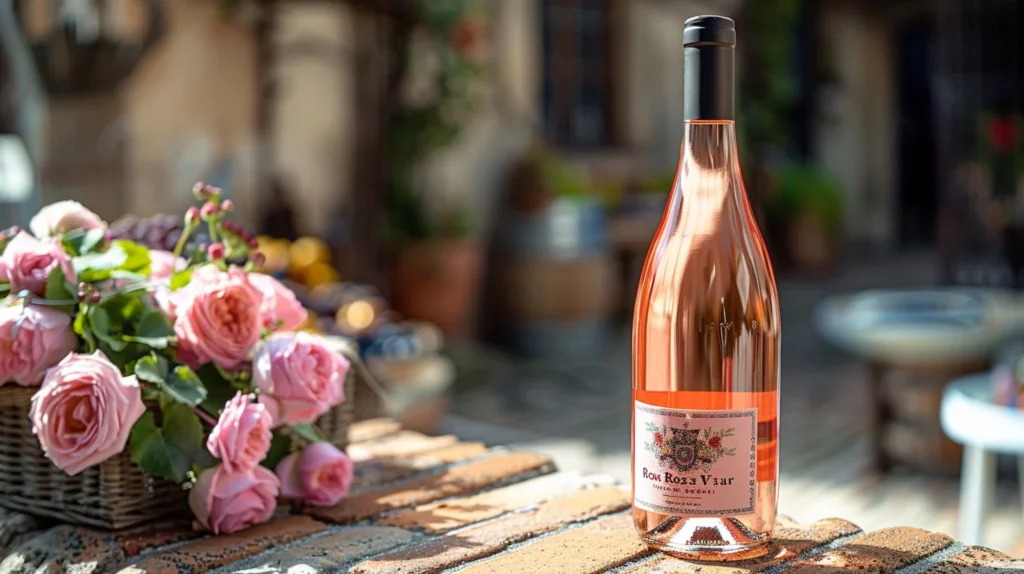
Most wine choices for gatherings fall into predictable camps: red for sophistication, white for simplicity. Rosé operates in a different category entirely. It’s the wine that makes guests feel comfortable before they’ve even taken their first sip.
The psychology of pink works in your favor
Rosé signals approachability in ways that other wines simply don’t. When people see that pale pink pour, their shoulders relax. The wine doesn’t intimidate.
This matters more than you might think. Casual gatherings live or die on the comfort level of your guests. The person who normally orders beer at restaurants will try your rosé without hesitation. The wine novice won’t worry about saying the wrong thing. The effect is immediate and noticeable.
I’ve watched this dynamic play out dozens of times. Rosé creates permission for people to enjoy themselves without overthinking it.
Temperature tolerance saves the day
Here’s where rosé proves its practical value. Unlike whites that turn flabby when they warm up or reds that taste harsh when too cold, rosé maintains its character across a wider temperature range.
Your guests will leave glasses sitting around. Bottles will sit on counters longer than planned. With rosé, these scenarios don’t spell disaster. The wine still tastes good at 55 degrees and acceptable at 65. That flexibility removes stress from hosting, which is exactly what weekend entertaining should accomplish.
Food pairing versatility
Casual gatherings rarely feature carefully orchestrated menus. You’re more likely dealing with cheese boards, grilled vegetables, light appetizers, or whatever emerges from the kitchen. Rosé handles this unpredictability better than any other wine category.
The acidity cuts through rich foods without overwhelming delicate flavors. It complements both savory and slightly sweet dishes. Most importantly, it doesn’t clash with the inevitable mix of flavors that happens when people graze throughout an evening.
When you want to shop rosé wine at great prices, you’re investing in versatility.
Afternoon to evening flexibility
What starts as an afternoon get-together extends into evening. An early dinner party stretches late into the night. Rosé adapts to these timing shifts seamlessly.
It feels appropriate at 2 PM on a sunny patio and equally suitable at 9 PM as conversations deepen. Red wines can feel too heavy for afternoon drinking. Many whites lose their appeal as the evening progresses.
Natural conversation starter
Rosé generates discussion without generating pressure. People feel comfortable asking about it, sharing their experiences, or admitting their uncertainty. The wine becomes a conversation starter rather than a conversation stopper.
Someone might mention the rosé they had in Provence last summer. Another guest might ask about the difference between various styles. These exchanges happen naturally, without the intimidation factor that can surround more serious wine discussions.
What makes rosé particularly effective for casual entertaining comes down to its fundamental character. It’s serious enough to satisfy wine lovers but approachable enough to welcome newcomers. It handles the practical challenges of informal hosting while contributing to the relaxed atmosphere you’re trying to create. That combination explains why rosé has become the default choice for hosts who understand that the best gatherings prioritize comfort over complexity.